
Why Your Brain Loves Resin (The Real Version, Grounded in What People Actually Experience)
Introduction: The Hype vs. Reality of Resin Relaxation
If you've read any craft blog lately, you've probably heard that doing crafts like resin art can reduce stress and even lower your cortisol levels.
In theory, working with resin should be super calming — a blissful creative escape from daily worries. And yes, there’s real neuroscience behind that claim (we’ll get to the dopamine and “flow state” in a moment).
But if you’ve spent time on Instagram or in resin Facebook groups, you might have noticed something else: for many beginners, resin isn’t always as relaxing as it’s cracked up to be.
Here’s the paradox: Resin crafting can biologically calm you, but social media and common newbie struggles often undermine those benefits.
This isn’t the usual rose-tinted “arts and crafts are always zen” article. Instead, we’ll honestly explore:
- Why does your brain love resin?
- And what gets in the way of that feel-good effect?
We’ll dive into the science (cortisol reduction, dopamine hits, the flow state known as transient hypofrontality) and the real-world reality (perfectionism, Instagram pressure, safety anxieties, and the cookie-cutter project syndrome).
Most importantly, we’ll talk about how to reclaim resin as a true stress-reliever — by addressing the real pain points people share on Reddit and elsewhere, and by giving yourself permission to create imperfectly.
“Most of all… just have fun and go with the flow. I have made some really cool pieces by complete accident... Can I recreate them? Hah. No clue. Lol.”
— Reddit user

In other words: let go of perfect outcomes, and you might find the real joy (and brain benefits) of resin in the process.
The Neuroscience of Creating: Why Crafting with Resin Feels So Good

Your brain is biologically wired to feel good when you create things. When you’re mixing, pouring, and curing epoxy resin, a few key things happen:
1. Stress Hormones Drop
Arts and crafts have been shown to literally lower cortisol, the primary stress hormone.
In one study, 75% of participants had significantly reduced cortisol levels after just 45 minutes of making art (Drexel University).
“It was very relaxing... after about five minutes, I felt less anxious... Doing art allowed me to put things into perspective.”
— Study participant, drexel.edu
Even beginners experienced benefits. One crafter said they justify spending money on resin because “making resin pieces is a hobby I find relaxing.”
Setting the right mood — music, lighting, and workspace comfort — can deepen that effect.
2. You Trigger a Dopamine Release
Ever notice that little rush when you demold a perfect piece? That’s dopamine, your brain’s reward chemical, kicking in.
Creative flow triggers dopamine release — reinforcing motivation and deep satisfaction.
Unlike the quick hit you get from social media likes, this dopamine comes from focus and creation.
Every time you experiment with a new pigment or technique, you’re giving your brain a positive feedback loop to create more.
3. You Enter the “Flow State” (Transient Hypofrontality)
This is that magical “lost in the moment” feeling.
In a flow state, your brain’s prefrontal cortex — the part responsible for self-criticism — quiets down.
“Being completely involved in an activity for its own sake. The ego falls away. Time flies.”
— Mihaly Csikszentmihalyi, psychologist and father of Flow

You stop overthinking and simply do.
For resin artists, this might happen while pouring an ocean scene or sanding a piece — you blink, and an hour’s gone by.
That’s your brain’s happy place.
4. Mindfulness and Sensory Engagement
Resin is a sensory experience:
- The silky texture as you stir
- The mesmerizing color swirls
- The satisfying pfft of a torch popping bubbles
This sensory focus naturally anchors you in the present — like meditation, but hands-on.
“There is certainly something immensely satisfying about seeing the results of your work appear before your eyes. It feels great to focus on one task and engage your mind creatively.”
— Dr Helen Keyes, Head of the School of Psychology and Sports Science, Anglia Ruskin University
When you’re in your workspace, you’re not doom-scrolling or stressing. You’re actively resting your mind — and that’s real therapy. This active rest not only lowers stress in the moment but can also lead to a calmer, more focused mindset even after you finish crafting.
The Pressure Is Real: How Social Media and Expectations Can Undermine the Joy
Even though resin art offers all these benefits, modern crafting culture can sometimes weaponize the hobby in ways that stress us out.
It’s important to acknowledge these pressures openly – because recognizing them is the first step to beating them. Here are the big ones people in resin communities frequently discuss.
1. Perfectionism and the Instagram Illusion
Spend five minutes on Instagram or Pinterest, and you’ll see gorgeous resin creations: crystal-clear coasters with gold leaf, ocean-wave tables that look like they were made by magic, flower pyramids with not a bubble in sight. Inspiring? Yes. But also daunting. Social media often shows the highlight reel of resin art, not the reality of learning. Newcomers may feel intense pressure to make every piece look showroom-perfect – and that pressure can suck the relaxation right out of the room.
“Perfectionism can have detrimental effects on your passion for art... embracing imperfections and learning from mistakes is a vital part of the process.”
— Reddit user

Tip: Do a “just for fun” pour. Use wild colors, throw in glitter, and don’t care about the outcome. That’s where the flow lives.
Remember: Every master was once a disaster.
It’s okay (even expected) to mess up when you start resin casting. Your first river coaster might look more like a puddle. Your initial attempt at a flower inclusion might have a few weird bubbles. So what? Allow yourself to call it experimental art. When you drop the comparisons and the need to be perfect, you free your brain to actually enjoy the moment, which ironically leads to better art. Many artists find that their creativity blossoms once they stop trying to replicate someone else’s “perfect” piece and instead focus on what they enjoy.
Have a laugh, toss it, and consider it therapy in plastic form. Remember, no one’s posting their bin full of failed resin pieces on Instagram, but trust us, they have one. Every master was once a disaster.
2. “Is This Stuff Safe?” — Fume Fears and Chemical Anxiety
Another real tension that often goes unspoken in glossy craft blogs is the anxiety over resin’s chemical side. Let’s address the elephant in the room: epoxy resin is a chemical product, and using it means dealing with fumes (or at least odors), sticky liquids, and the need for safety precautions. If you’ve ever started mixing resin and suddenly thought, “Hmm, what am I breathing?”, you’re tapping into a common worry. In fact, some would-be resin artists admit they hesitated or even quit because they got scared about the health aspects when they saw how others handle resin online. One commenter in a craft forum observed:
“No one is wearing PPE so... looks like the materials don't need PPE! That is really irresponsible of those content creators.” (Reddit, r/craftsnark). Another person chimed in that they were interested in resin but “decided the community wasn’t for me” after seeing creators ignore ventilation and masks (Reddit, r/craftsnark).
When safety info is glossed over, it creates a background anxiety for beginners – you’re not sure if you’re doing something dangerous without realizing it, and that nagging worry will absolutely keep your nervous system from relaxing.
So let’s get real about resin safety, in plain language, so you can put your mind at ease and enjoy crafting. Not all resins are created equal in terms of fumes and toxicity. Older formulations and cheaper hardware-store epoxies often contain volatile organic compounds (VOCs) and solvents that do release harmful fumes during curing – those require heavy-duty precautions.
Modern artist-grade resins (like Craft Resin) have come a long way. Craft Resin’s formula, for example, is low-odor, though not VOC-free — like virtually all two-part epoxy systems, it contains some volatile organic compounds, so you still need basic ventilation – what that means in practice. The slight “resin smell” you might notice is not the same as dangerous fumes – why we still recommend ventilation. Usually it’s just the natural odor of the ingredients.
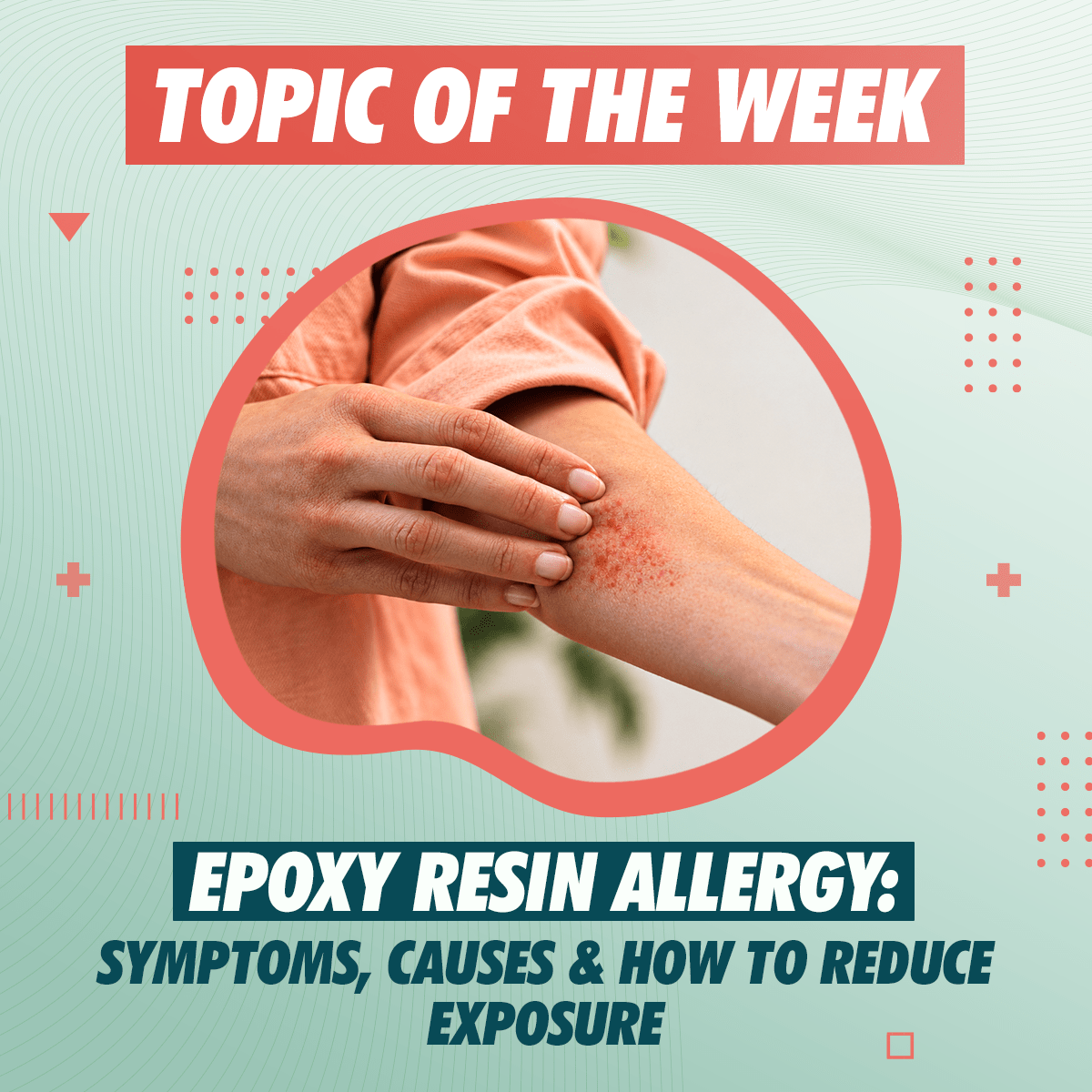
However – and this is crucial – low odor does not equal no precautions. Epoxy resin can still cause sensitization, which is a fancy word for developing an allergy over time – toxicity vs sensitization. A small percentage of people can become allergic to components of epoxy after repeated exposure, especially skin contact. That allergic reaction might show up as skin rashes or respiratory issues – not fun. Sensitization is different from acute toxicity: it’s more like how some people suddenly become allergic to latex or pet dander. You won’t know if you’re one of the unlucky few until it happens, so it’s just smart to minimize your exposure as much as possible from the get-go. Also, even without a true allergy, breathing in any resin dust or vapor in high concentrations can irritate your lungs and eyes.
So wearing protection isn’t about “oh no, I’ll die if I smell this once” (you won’t), it’s about keeping you comfortable and worry-free long term.
If you find yourself stressing, “ugh, what if I get it on my skin or inhale a bit?”, do what experienced resin crafters do: control what you can so your brain lets the worry go. Work in a well-ventilated area (open a window or use an extractor fan). Wear a respirator mask rated for organic vapors especially if you have any odor or are doing a big pour – it’s not overkill; it’s peace of mind. Put on nitrile gloves so you won’t panic if your fingers get sticky. Many people also wear long sleeves and safety goggles when handling liquid resin (Reddit, r/ResinCasting) – because resin can splash and you really don’t want it in your eyes (plus, if you do get a little on your arm, it’s easier to wash off clothing than skin). These steps aren’t because the resin is super deadly; they’re like wearing a seatbelt. They let you drive comfortably without constantly thinking about the risk.
In online discussions, hobbyists emphasize that taking these precautions actually makes the hobby more relaxing: once you’re suited up and informed, you can focus on the art instead of a voice in your head worrying about chemical exposure. As one safety-conscious user put it regarding epoxy, “Dangerous, no. A material you should take precautions with, yes… If you’re nervous about it to a point it disrupts your day to day, then I would suggest not working with it.” (Reddit, r/ResinCasting). We’d rather you work with it, with precautions, than miss out on the joy entirely. And fortunately, using a high-quality low-odor resin and following safety guidelines is usually enough to make resin crafting very safe and zen. When you know your environment is handled, you can breathe (through your respirator, ha!) easy and get back into that flow state.
When you feel safe, your nervous system relaxes — and you can truly enjoy the process.
3. Project Overload and the “Clone Wars”
The internet is flooded with identical resin projects. Take a scroll through TikTok or resin Facebook groups: you’ll likely see the same types of projects over and over. Geode coasters. River tables. Petri-dish style pendants. Glitter tumblers. Repeat.
That repetition can make you feel like everything’s already been done — or that you must follow trends.
Here’s the antidote:
Make what excites you, not what’s popular.
The real benefit of resin crafting isn’t in having yet another glitter coaster, it’s in the making of it. If a project type intrigues you and gets you excited – do it! Who cares if it’s the thousandth ocean-themed piece on Instagram? It’s about your experience and what you personally get from creating it. Conversely, if you’re bored by a trend or feel pressure to do a certain kind of project, give yourself permission to break away. Some of the most striking resin art comes from people who thought outside the box (or outside the mold, in this case). And even if it doesn’t turn out striking, if you enjoyed the experimentation, it was worthwhile.
Think of it this way: There are two “products” of every craft project – the physical item you made, and the mental journey you had while making it. The second one is way more important for your well-being. So choose projects that maximize the joy of the process, not just the wow-factor of the result. That might mean trying something quirky or personal that you haven’t seen all over the internet. It might mean combining resin with another hobby (pouring resin over a small painting, casting a memento into it, etc.). It could even mean embracing small, simple projects at first – something not very Instagrammable but fun, like mixing random leftover colors and making a “mystery” pendant for yourself.
There are two products in every project:
- The object you make
- The mental experience you have making it
Only the second one really matters for your well-being.
“If it brings joy or purpose, that matters.”
— Reddit user
Whether your project is unique or not, if it made you happy — it was worth it.
Embracing Imperfection: How to Actually Get the Brain Benefits of Resin
We’ve covered a lot of ground – from how resin can biologically boost your mood, to the real-world challenges that can sabotage that boost. Now it’s time to bring it all together with some practical strategies. How can you, as a beginner (or even as a seasoned crafter who’s maybe burnt out), set yourself up so that resin art delivers the calm, the joy, and the fulfillment it’s supposed to?
1. Set Realistic Expectations
Your first piece won’t be perfect — and that’s a good thing.
If you expect to mess up, you won’t be derailed when it happens. Treat your early projects as experiments or prototypes. Tell yourself you’re learning how the resin behaves, like a scientist in a lab. This mindset turns “mistakes” into data and happy accidents. A great piece of wisdom to remember is:
“It’s about the process, not the result.”
— wearepicasso.com
2. Create a Safe, Comforting Workspace
Address those safety and comfort basics so they don’t nag at you. Ventilate your area, wear your gloves and mask, tie back your hair, have your tools ready. It might feel cumbersome for five minutes, but then you can sink into the project without a care. If you’re worried about sticky mess, cover your table with a silicone mat or garbage bag – then you won’t stress about spills. Maybe make a little pre-resin ritual: put on an apron, play your favorite chill music (one resin fan recommends classical for a “serene” vibe – Reddit, r/ResinCasting), maybe diffuse a pleasant (compatible) scent or light a candle if it won’t interfere. These cues tell your brain “we’re entering a safe, relaxing zone now.” The fewer worrying distractions, the more you can immerse yourself.
3. Limit Comparisons
If you find that browsing others’ resin art leaves you more inspired than discouraged, great! But if it’s the opposite, give yourself permission to craft in a bubble for a while. You could avoid looking at Instagram until after your project is done (so you’re not influenced mid-creation). Or intentionally follow some accounts that show the mess and bloopers along with the successes – to keep perspective that everyone has off days. Remember that for every perfect photo, there were likely unseen trials and errors. (Some communities like r/Craft_resin_Community even have threads discussing mistakes and fixes – which can be super reassuring to read when you’ve made the same mistakes.) Surround yourself with voices that say “been there, messed that up, here’s how I fixed it or moved on” rather than only “Look how perfect this is.” The more you normalize imperfection, the easier it is to let yours go.
4. Engage with the Community — Honestly
Post your beginner pieces. Ask questions.
One of the best aspects of resin as a hobby is the vibrant community of creators. Don’t just lurk on the sidelines feeling intimidated; consider sharing your journey. Post that wonky first piece in a beginner-friendly group, not for likes but for camaraderie. You’ll likely get supportive comments, maybe even some funny “oh I did one just like that, wait till you see my first disaster” replies.
The Craft Resin community on Facebook thrives on real talk — including the bloopers.
Sharing struggles builds connection and confidence.
5. Reframe “Failures” as Discoveries
Every “mistake” teaches you something.
Keep a notebook of lessons learned — your personal Resin Logbook.
That’s how experimentation turns into mastery.
This tip is the hallmark of resilient (and relaxed) creators. Every time something doesn’t go as planned, tell yourself you just discovered how not to do something, which is valuable. Perhaps your layer of resin took forever to cure and remained tacky – frustrating, yes, but now you’ve learned not to pour it so thick or that you need more catalyst, etc. Maybe your colors muddied together – now you know to let layers gel a bit first.
6. Remember Your “Why”
Lastly, keep bringing yourself back to why you wanted to do resin art in the first place. Was it to have fun? To relieve stress? To make gifts? To explore your artistic side? Whenever the stressors creep in (like worrying about an Instagram post or a small flaw in your piece), pause and ask if that concern really matters to your core reason. If your goal was relaxation, then whether the coaster has a slightly uneven edge is irrelevant to success – did you relax while making it? If yes, you’ve already won. If your goal was self-expression, then what matters is if you put something of yourself into the piece, not if it’s objectively “the best.” Keeping your personal motivation at the forefront acts like a compass; it guides you back to a healthy mindset whenever external pressures lead you astray.
Conclusion: The Real Payoff — Being Present and Imperfect (and Loving It)
Working with resin truly can nourish your brain — not through magic, but through mindful creativity. A 2024 study of 7,182 people found that making things predicted wellbeing and a sense that life is worthwhile more strongly than being in employment did.
“Not only does crafting give us a sense of achievement, it is also a meaningful route to self-expression… Engaging in these activities is linked with a greater sense that life is worthwhile, increased life satisfaction and happiness.”
— Dr Helen Keyes, lead author, Creating arts and crafting positively predicts subjective wellbeing (Frontiers in Public Health, 2024)

That’s the essence of it:
Your brain doesn’t need a perfect casting to be happy — it just needs you, happily creating.
Achievement, self-expression, a sense that life is worthwhile – notice how “perfection” didn’t make the list.
The real version of why your brain loves resin is this: it loves being allowed to play, to focus deeply without fear, to solve little problems creatively, and to indulge in sensory pleasures. Resin just happens to be a fantastic medium for all that – if we approach it with an open mind and the courage to be imperfect. Yes, cortisol will go down and dopamine will go up when you lose yourself in mixing and swirling colors. But only if you give yourself permission to lose yourself in it – which means kicking out the perfectionism, the comparison, and the unspoken worries.
So next time you sit down with your Craft Resin kit, take a moment to set aside any expectations beyond simply enjoying the session. Put on those gloves and that apron like you’re suiting up for fun, not battle. Maybe whisper a little mantra like, “It’s okay to make a mess,” or “Let’s see what happens if…”. Know that every resin artist you admire has been exactly where you are – nervous, excited, uncertain, and definitely making some goofs along the way. The ones who stick with it aren’t the ones who got everything perfect from the start; they’re the ones who fell in love with the process and figured out how to keep it loveable.
So put on your gloves, take a breath, and remember:
The best thing you’ll craft with resin is a better headspace for yourself.
Everything else is just sparkle and gloss on top — literally.